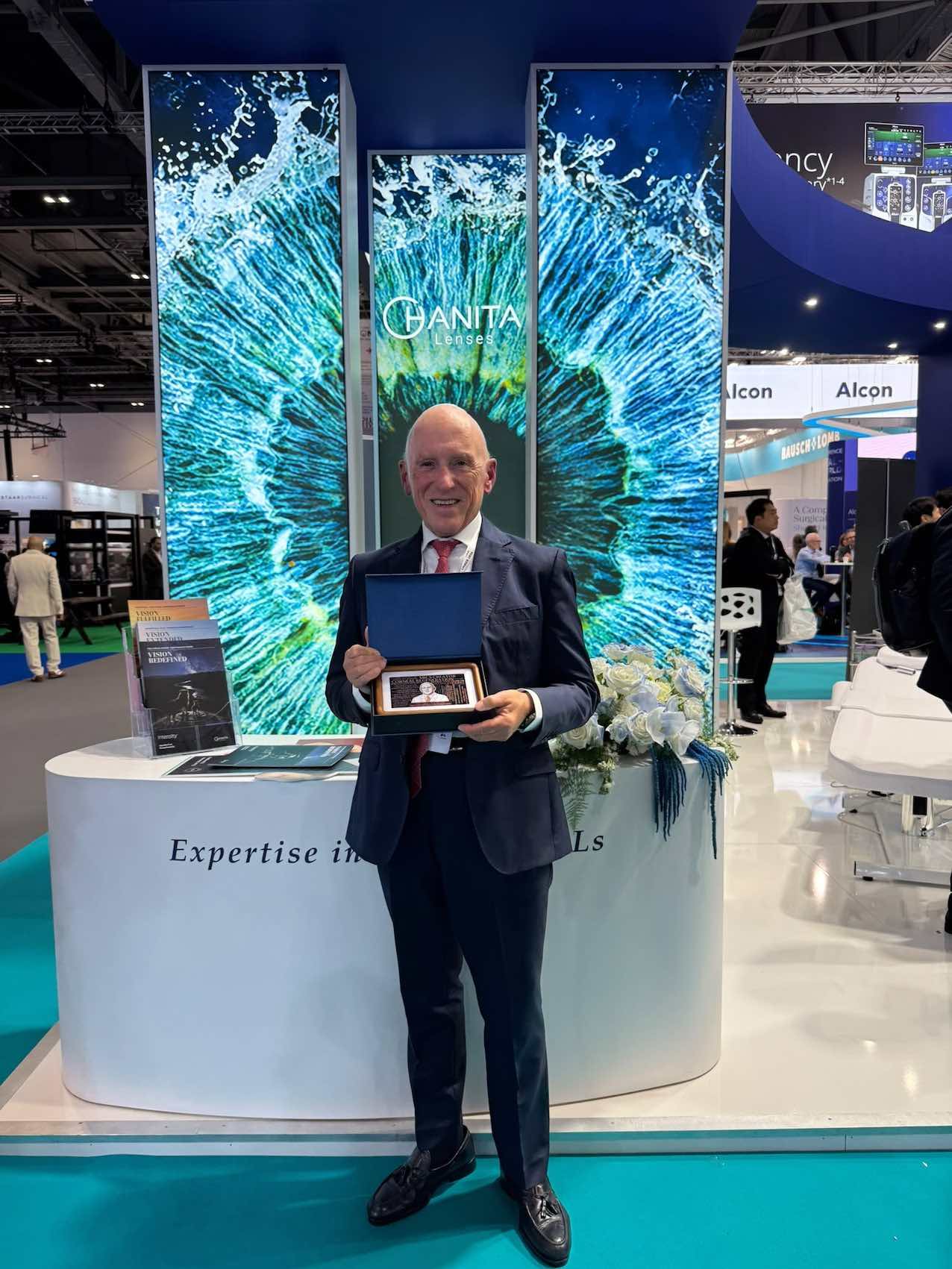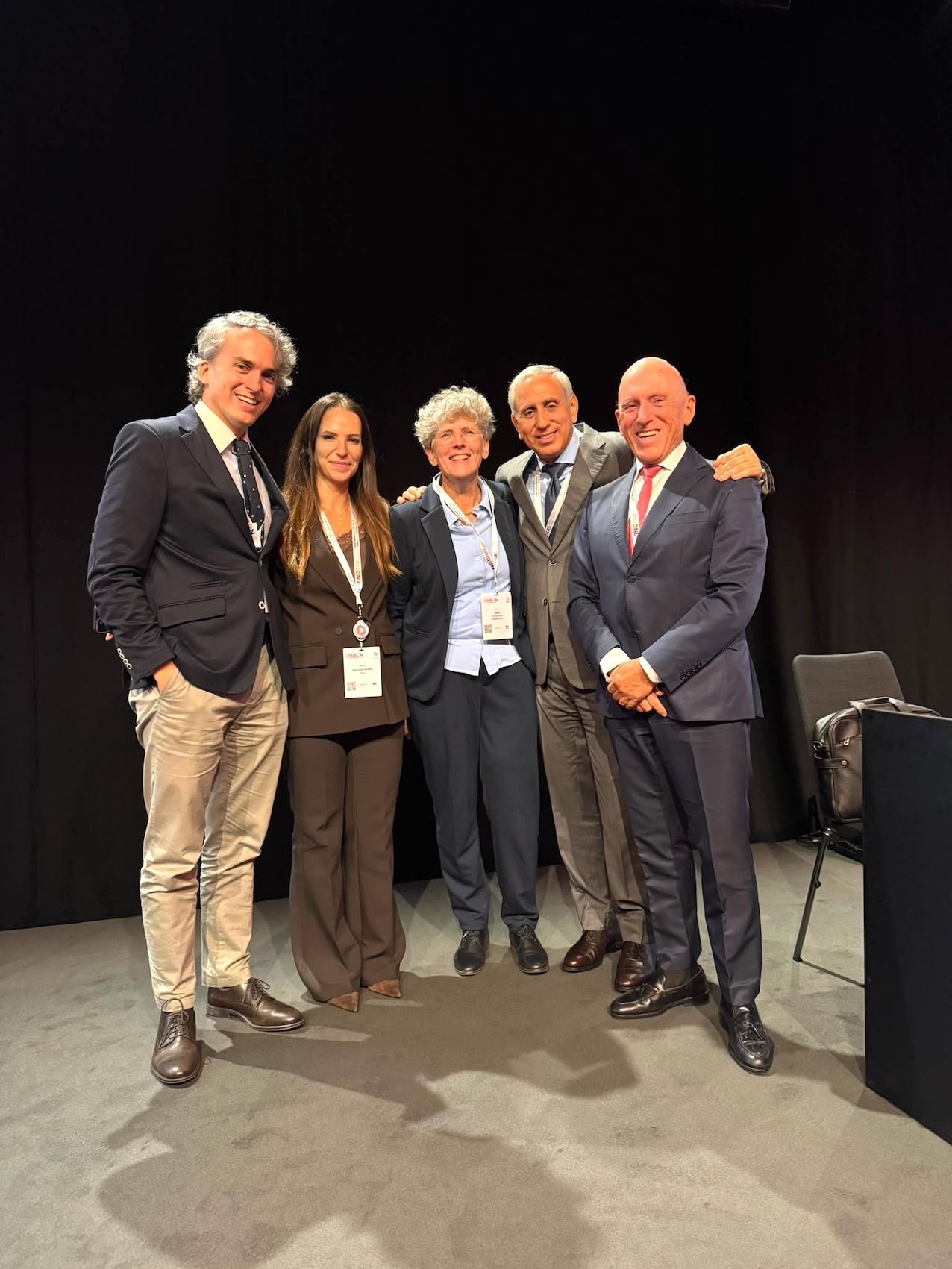
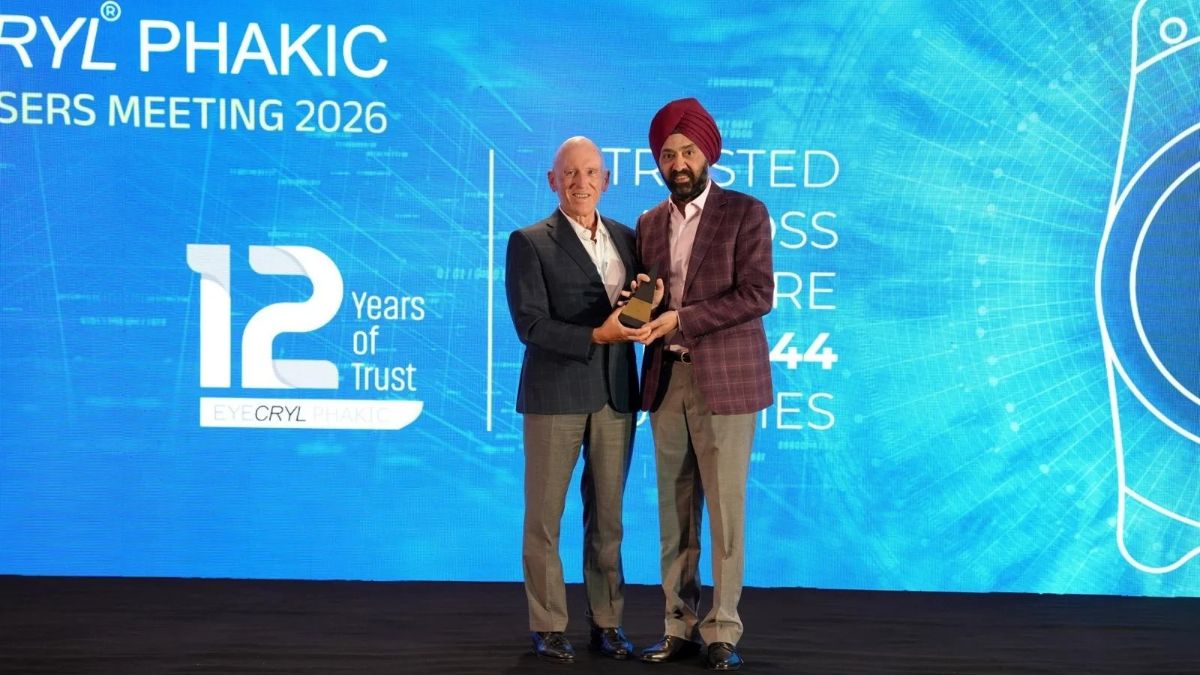
At the 44th Congress of the ESCRS, he directed a course on EDOF lenses and presented the latest developments in therapeutic refractive surgery, keratoconus and optimisation of the ocular surface.
Prof. Dr Jorge Alió played an active role in the 44th Congress of the ESCRS (European Society of Cataract and Refractive Surgeons), held from 11th to 15th September in London, to discuss some of the areas in which he has focused much of his research career: extended depth of focus (EDOF) intraocular lenses, presbyopia surgery, accommodative lenses, keratoconus, therapeutic refractive surgery, the cornea and the ocular surface.
According to the Professor of Ophthalmology and Honorary Researcher at the Miguel Hernández University (UMH) in Elche, ‘at this conference, we have seen how ophthalmology is evolving towards increasingly personalised procedures and new technologies aimed not only at correcting refractive errors, but also at improving visual quality and expanding the therapeutic options available for complex eye conditions’.
He presented the innovative Lumina accommodative intraocular lens
One of the key events on his extensive scientific programme was the course “Unveiling EDOF Intraocular Lenses”, which examined the current state and clinical potential of extended depth of focus intraocular lenses. He also delivered the presentation “What is and what is not an EDOF intraocular lens? Understanding and classifying EDOF lenses”, in which he discussed the characteristics that truly define an EDOF lens and how the various available technologies should be classified.
He also presented the innovative Lumina accommodative intraocular lens, on which Alió has worked for 14 years as principal investigator and study director, and for which he is the only accredited ophthalmologist in Spain authorised to implant this lens. Patient outcomes were compared with those of multifocal and EDOF lenses. Thus, the presentation entitled “Lumina Accommodative IOL; Patients’ Reported Outcomes (PROMs) Compared with Multifocal and EDOF IOLs’ demonstrated, from the patients” own perspective, the performance of different strategies currently used to achieve independence from spectacles and functional vision at various distances.
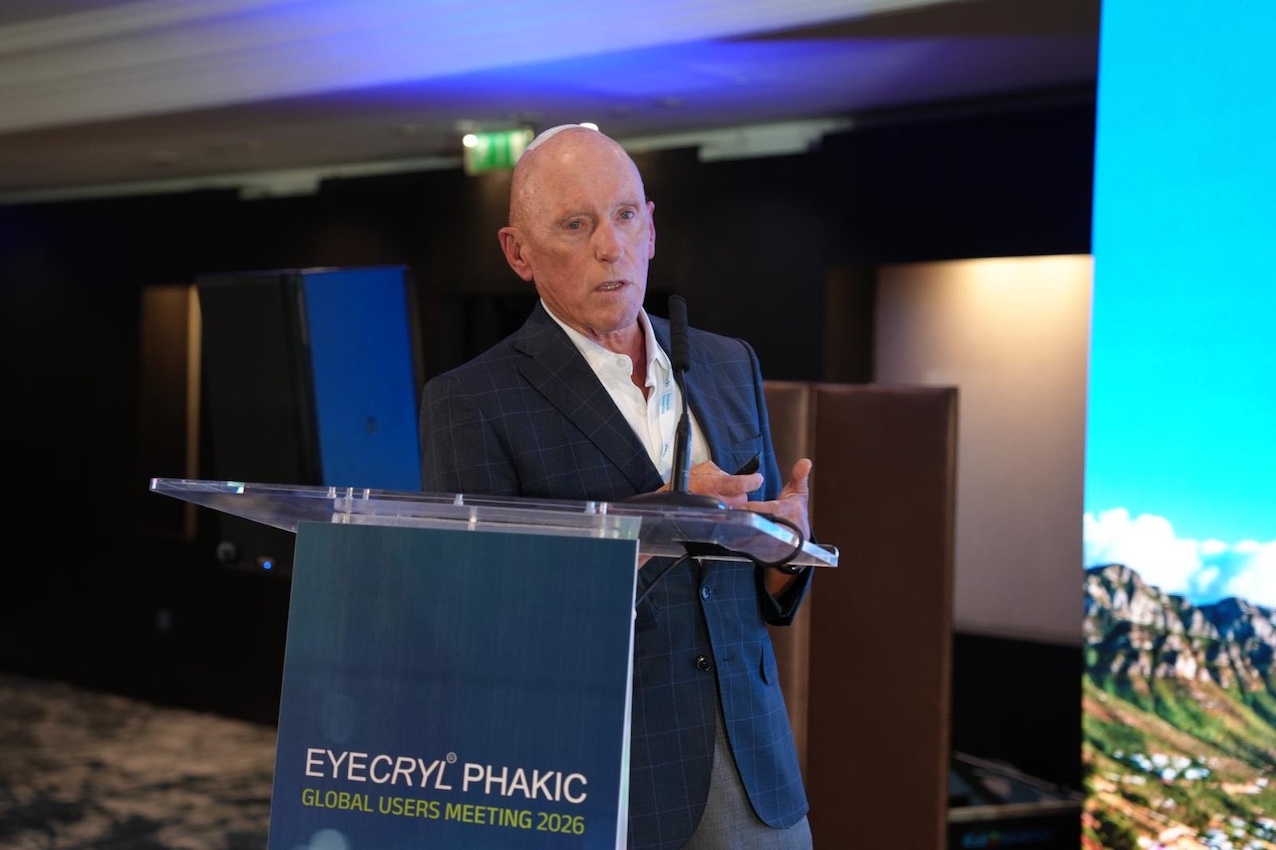
He addressed corneal regeneration and the treatment of complex conditions
In addition, the newly appointed president of the European Academy of Ophthalmology (EAO) delivered a lecture entitled “Accommodative IOLs – An Alternative for the Presbyopes?”, focusing on accommodative lenses as an alternative for the correction of presbyopia. ‘These are significant developments at a time when ophthalmological research is seeking solutions capable of approximating the eye’s physiological mechanism of accommodation and overcoming some of the limitations inherent in other strategies for correcting near vision’, explains ophthalmologist Jorge Alió.
As for the lecture “Keratoconus in Down’s Syndrome”, delivered during the “Cornea Day”, it focused on people with Down’s syndrome. The research team associated with Dr Alió also presented work on corneal regeneration and the treatment of complex conditions. These included research into the use of decellularised corneal stroma laminas, with or without autologous adult stem cells derived from adipose tissue, for the treatment of advanced keratoconus, presenting one-year results from a phase I/IIa clinical trial. It also included an experimental study on the intrastromal implantation of neural crest cells derived from induced pluripotent stem cells (hiPSCs) to promote corneal stromal regeneration and improve established corneal scarring.
He analyzed complex clinical cases
Furthermore, the specialist from Alicante was one of the panel of the interactive session dedicated to the analysis of complex clinical cases, “Therapeutic Refractive Surgery… Live! Bring your case”. Earlier, Prof. Alió had analysed, under the title “Precision begins at the surface: optimising the ocular surface for premium refractive outcomes”, how the accurate diagnosis and appropriate treatment of ocular surface disorders determine refractive precision and the quality of surgical outcomes.
Finally, Jorge Alió’s role in the “Video Award Ceremony” involved the evaluation and scientific discussion of the entries submitted. In addition, he served as a member of the event’s judging panel and took part in various ESCRS activities; the ESCRS event is one of the major gatherings of international experts who discuss the key scientific and technological advances in refractive and cataract surgery.
‘Attending the 44th ESCRS Congress reflects a track record focused on developing solutions capable of improving the safety and precision of eye surgery, as well as patients’ visual quality and quality of life’, says Jorge Alió; who is ranked as the 7th Most Influential and Inspiring Ophthalmologist in the World in Cataract and Refractive Surgery –the only Spanish doctor among the top 50– on The Ophthalmologist Power List 2025.